
09/10/2026
How to Protect Your Future After a DUI Arrest in Illinois


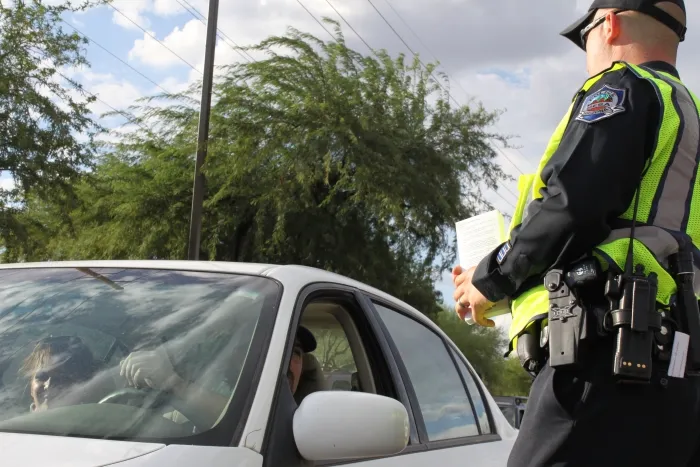
DUI checkpoints were created to prevent drunk drivers from continuing down the road and also to deter drunk drivers from getting behind the wheel, knowing that these checkpoints might end in an arrest. By having these checkpoints at strategic locations and during peak times such as holidays or weekends, they focus on keeping the roads safe for everyone. Although you are being stopped at a checkpoint, it’s essential to know that you are not being charged with a crime. You still have rights, and law enforcement is just trying to keep our roads safe.
DUI checkpoints are temporary stops set up by law enforcement officers to screen drivers for signs of impairment and drunk driving. They are set up on public roads and designed to stop cars systematically, but they have to follow strict guidelines.
When you are stopped at a checkpoint in Illinois, you are obligated to provide:
It’s crucial to know your rights at a DUI checkpoint, and if you are arrested, your future driving privileges and criminal record hang in the balance of a DUI charge. That’s why contacting a DUI attorney at the PMP Law Office as soon as possible is vital to start scrutinizing evidence and building your defense.
When it comes to speaking with the police, you still have the rights that are afforded to you by the Constitution, such as:
When it comes to being stopped at a DUI for younger drivers or those who have never gone through one, it can be intimidating not to know what they are like.
Checkpoints are typically set up in well lit, high visibility areas with markers alerting drivers to the checkpoint. They operate by pulling over random drivers. However, law enforcement is allowed to briefly detain you with minimal intrusion.
During a DUI, you can expect:
While you can refuse to take a field sobriety or a breathalyzer test, the state of Illinois has implied consent laws, so you will face automatic consequences for refusing. Consequences like arrest and license suspension, regardless of guilt. You should contact an experienced DUI attorney as soon as possible if you’re facing DUI charges.
At PMP Law Office, we actively explore alternate solutions that can help reduce the severity of the charges or even have them dropped altogether. Each case and charge is unique, and utilizing different defense strategies and alternative resolutions sets an experienced DUI attorney apart from a public defender.
It’s critical when you are facing DUI charges, even if it is only your first offense, to seek legal guidance from a DUI attorney. We understand the severity of a DUI charge and their penalties on your future, and can help you make informed decisions about the steps you need to take to safeguard it.
Taking proactive measures, like contacting a DUI attorney as soon as possible, can positively impact not only your case but the rest of your life. The PMP Law Office can provide the support and representation you need so that you don’t have an interlock ignition system placed on your vehicle, denied employment opportunities, or face prison time.
Time is of the essence when it comes to challenging an arrest from a DUI checkpoint. The PMP Law Office wants to help you get your case resolved today. Contact our office at (309) 808-0562 or visit us online to discuss your case.